Phasing Home Energy Upgrades for Comfort, Resilience, and Long-Term Value
Planning an integrated HVAC, electrical, and solar roadmap starts with a clear scope and a realistic timeline. Begin by mapping the age, condition, and performance of major systems, then align projects to reduce disruption. For example, ductwork improvements may precede equipment so airflow data is accurate. This staged approach buffers risk, clarifies budgets, and helps avoid rework while protecting indoor comfort during peak seasons.
Meanwhile, load calculations and envelope assessments inform right-sized solutions. An undersized or oversized system can drive energy waste and uneven temperatures. Validate insulation levels, air sealing, and window performance before finalizing equipment. When the building shell is stable, designers can calibrate options such as Heat Pump Installation or Ductless Mini Split Installation to match real-world demand and future electrification goals.
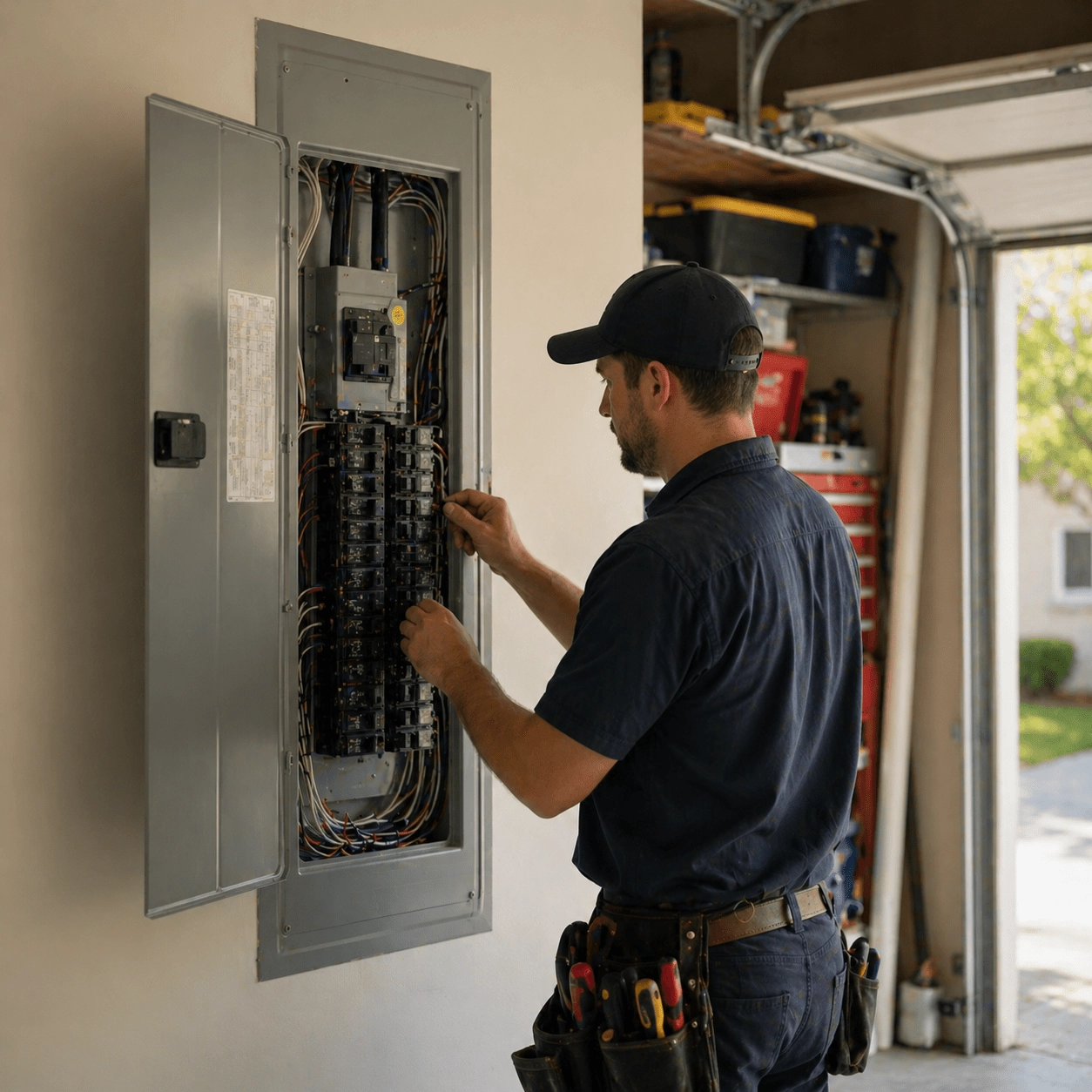
However, electrical capacity often becomes the hidden constraint. Document panel ratings, feeder conditions, grounding, and space for new circuits. If you plan Solar Installation Services or a heat pump water heater, confirm available amperage and service upgrades early. This step protects timelines, supports safety, and reduces change orders when you start pulling permits or staging materials for installation.
Beyond that, indoor air quality deserves the same rigor as temperature control. Measure airflow, filter pressure drop, and humidity trends to select filtration and dehumidification strategies. Indoor Air Quality Services can be sequenced with Custom Ductwork to improve return paths, seal leaks, and validate room-by-room balance. The result is cleaner air, quieter operation, and a stronger foundation for efficient heating and cooling.
In practice, seasonal timing matters. Schedule AC Installation and Repair before early heat waves, and plan Heating Installation and Repair as shoulder-season tasks when lead times are shorter. This reduces emergency downtime and lets crews verify performance under mild conditions. It also creates space to refine control settings, test safety devices, and adjust fan speeds before weather extremes stress the system.
Often, the water side gets overlooked until a failure occurs. Scope Water Heater Installation with attention to recovery needs, venting pathways, and potential heat pump compatibility. If moving to electric, assess plumbing clearances, condensate handling, and noise impacts. Then validate electrical circuits and breaker capacity. Pairing water heating improvements with envelope upgrades can smooth peak loads and extend equipment life.
Then, solar planning benefits from a whole-home lens. Inspect roof condition, shading, and structural considerations before design. Sequence roofing repairs or replacements ahead of solar to avoid premature removal. Verify interconnection requirements, monitor placement, and wiring routes that minimize penetrations. When loads are right-sized and efficient, solar arrays can meet a larger share of demand with fewer panels.
Meanwhile, controls and zoning enhance comfort without overhauling equipment. Smart thermostats, sensor placement, and staged ventilation can smooth temperature swings. Validate thermostat location, setpoints, and schedules, and document any airflow adjustments after Insulation Installation. With balanced ducts and tuned controls, systems run steadier, indoor noise drops, and filter life typically improves.
Finally, compliance and documentation form the backbone of project quality. Inspect permits, utility rebates, and inspection milestones early, and maintain equipment submittals, commissioning checklists, and warranty details. Clear records simplify future service calls, support Electrical Services upgrades, and help verify that installed performance matches design intent. Good documentation also streamlines punch-lists and accelerates final closeout.
Altogether, a lifecycle mindset helps maintain value after the last inspection. Schedule filter replacements, coil cleanings, and annual tune-ups, and validate duct tightness after any renovations. Track energy use to catch drift and refine settings. When you stage work in logical phases, align trades, and verify performance at each handoff, your home becomes more comfortable, resilient, and ready for future technology.